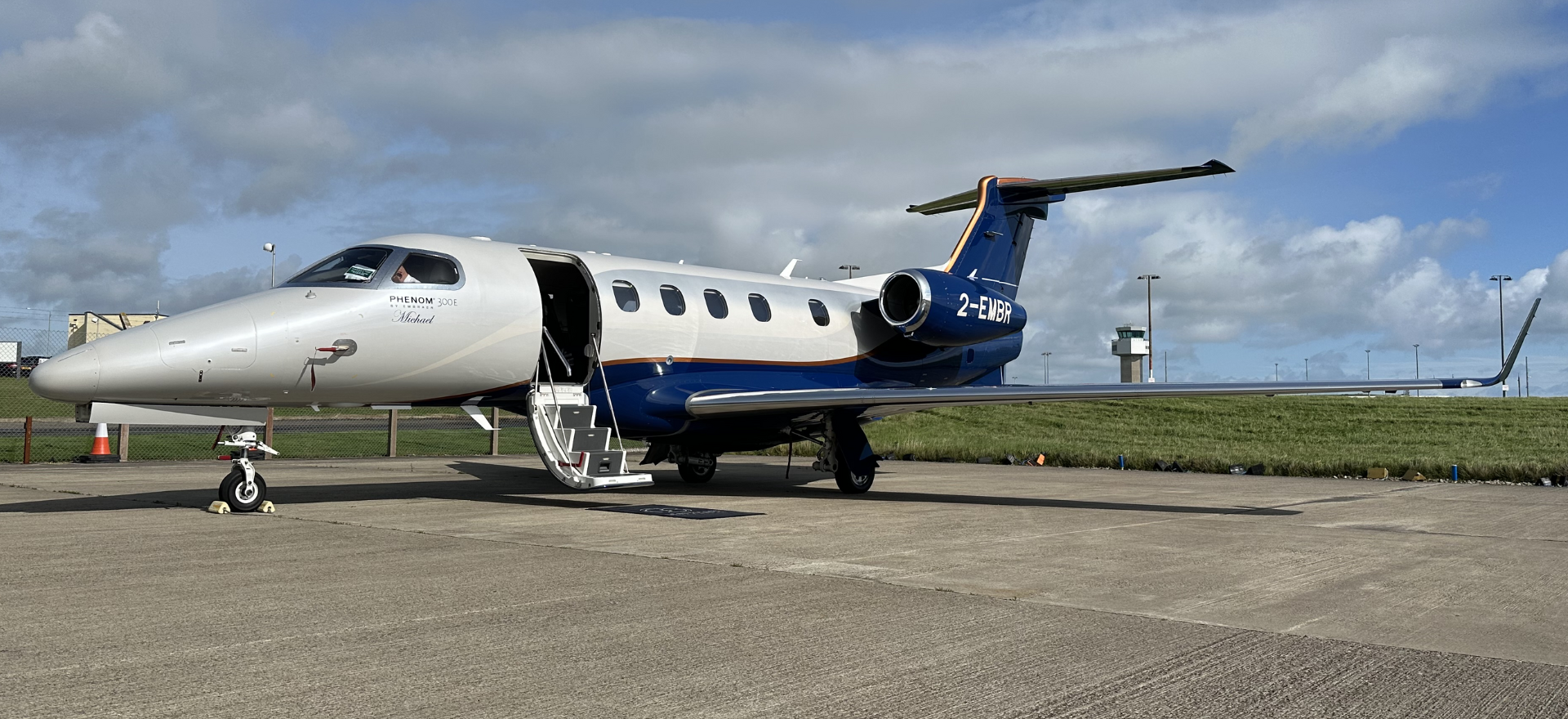
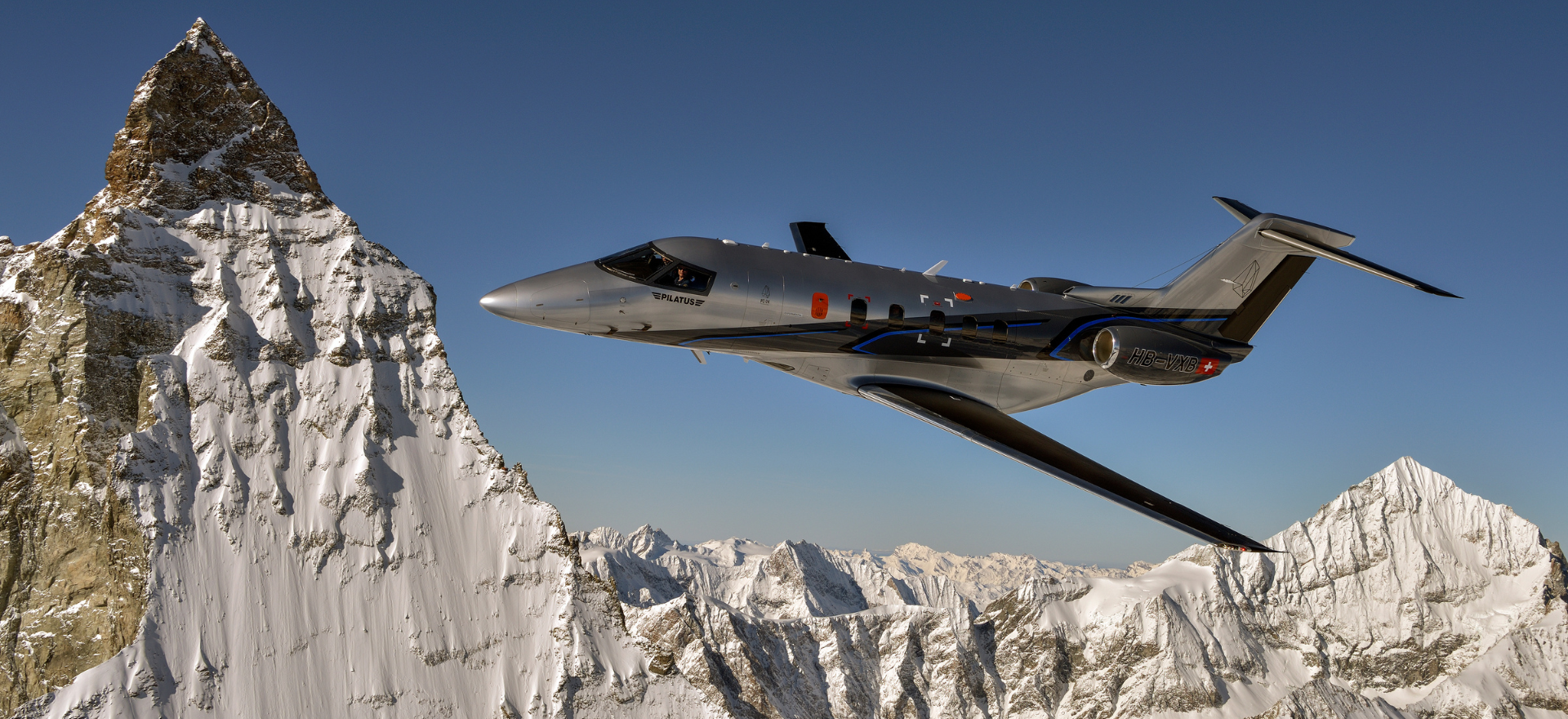
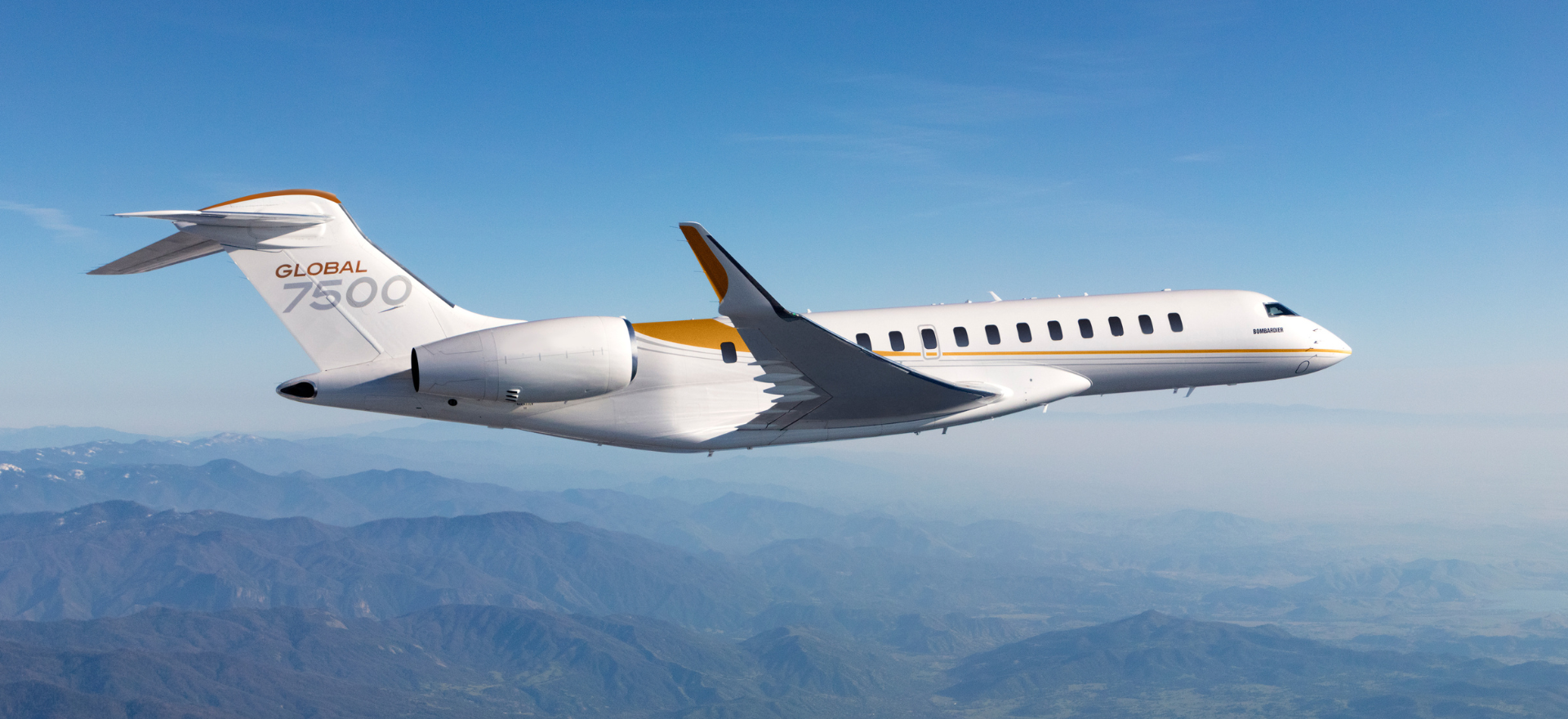
As autumn gives way to winter, the atmosphere on the ramp begins to change. The air sharpens; the light grows colder. Frost settles silently on wings before the day begins.
In these moments, before departure, the true rhythm of private aviation reveals itself — calm, measured, precise.
For those who travel in the colder months, de-icing may appear as a brief pause before flight, a routine spray of mist over polished aluminium. Yet behind it lies a carefully orchestrated process, refined through experience and anticipation. It’s one of those details travellers rarely see in full, but which defines what we mean by considered travel.
Why De-Icing Matters
Even the thinnest layer of frost can alter a wing’s aerodynamic profile, affecting lift and performance. De-icing restores that perfect surface. Heated fluids, typically a glycol–water mixture, are applied at specific pressures and temperatures to remove ice, snow, or frost.
Once clear, an anti-icing layer may follow: a preventative solution that stops re-freezing during taxi or climb. Each stage is timed with precision, with the window between treatment and take-off measured carefully to ensure the aircraft departs within optimal limits.
It’s a quiet art — one rooted in physics, chemistry, and timing, but also in human attention.
What Charterers Should Know
For many first-time charterers, de-icing is one of those aspects that can come as a surprise, not in the experience itself, but in its practicalities. Unlike commercial airline travel, where costs are absorbed across hundreds of passengers, private flights are billed for de-icing directly by the airport or ground handler.
Charges vary depending on aircraft size, location, and conditions. A light jet might require just a few hundred pounds of treatment, but a larger aircraft can run into several thousand. Factors include the volume of fluid, its temperature, and how quickly conditions are changing.
Importantly, the need for de-icing is often assessed on the day, meaning it cannot be confirmed or pre-priced in advance. For this reason, it’s considered a variable operational cost. At Sentient Signature, our team monitors forecasts closely, advising travellers when de-icing is likely and offering guidance on expected ranges.
Our role is to keep this process transparent, ensuring you understand what to expect, why it matters, and how it safeguards the journey.
Planning with Precision
De-icing also influences timing. On colder mornings, the process can add 15 to 30 minutes before departure, depending on airport activity and weather intensity. For early flights, this is built quietly into the schedule; for tight connections, we anticipate and adjust to preserve timing.
For the traveller, the experience should feel unhurried — a moment of calm preparation rather than disruption.
A Reflection on Winter Flight
There’s a certain beauty in the process itself. The pale steam rising from the wings, the amber light catching on droplets, the quiet efficiency of the ground crew at work. It’s a moment that captures what private aviation truly represents: not spectacle, but skill; not haste, but harmony.
In winter, precision isn’t optional. It’s the foundation of confidence. And for those who value time, certainty, and calm, that’s what defines every journey.
Every journey begins with understanding what matters most.
Discover thoughtful, tailored travel with Sentient Signature — every detail considered.
sentientsignature.com